
Find your Local

We're a national brand with a local team in your area.
Select the location below that's closest to you:
The Next Million Powerwall Rebate - you can get up to £750 back for your Tesla Powerwall installation: Find out more
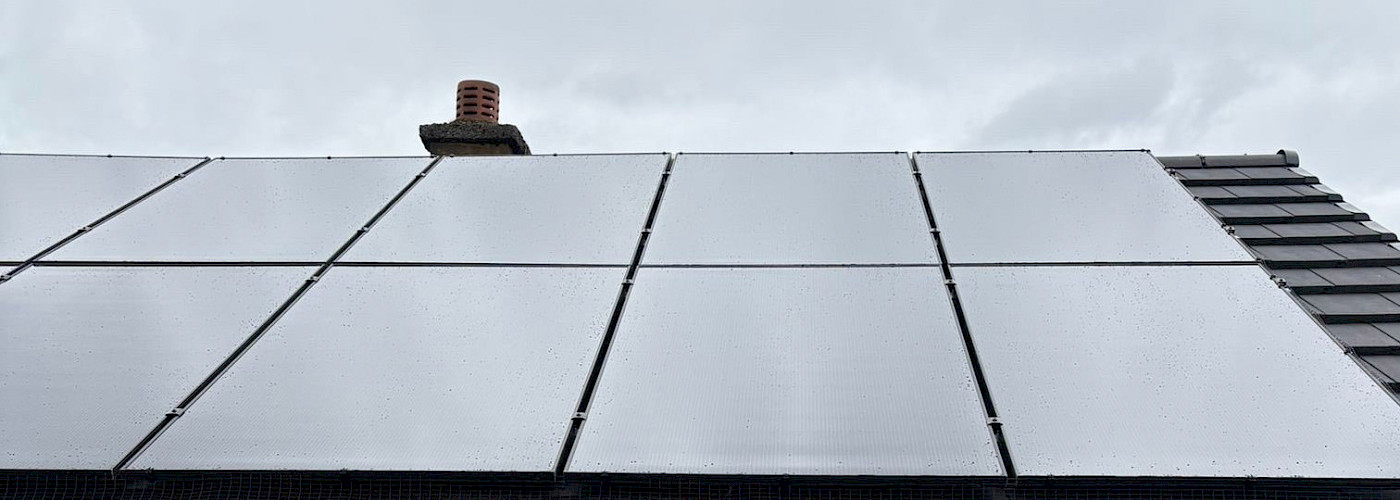
Solar energy is becoming an increasingly popular way for households in the UK to take control of their electricity bills and reduce their reliance on the grid. With energy prices still unpredictable and concerns about climate change growing, more and more people are looking to solar as a long-term solution.
If you’re new to the world of solar, it can all feel confusing. You might have heard about ‘plug-in solar’ systems recently in the news, alongside more traditional rooftop solar panels. This guide explains the differences between the two, how each works, and which might be more suitable for your home.
At its simplest, solar panels capture sunlight and convert it into electricity that your home can use. Standard solar panels are made up of photovoltaic (PV) cells that absorb sunlight. This energy is then converted from direct current (DC) into alternating current (AC) by an inverter, which can power your appliances, heating, and lighting.
If you generate more electricity than you can use, the excess can be sent back to the national grid. In the UK, many households with rooftop solar can receive payments through the Smart Export Guarantee (SEG), making the system even more financially beneficial.
Many households opt to install a battery as part of their solar system. Installing a battery means any excess solar generated can be stored for later use, further reducing energy bills and grid reliance.
The amount of electricity you can generate depends on your roof size, orientation, shading, and the size of your system. A typical UK home rooftop system might be around 4kW, producing enough electricity for much of the household’s daily use.
Plug-in solar, sometimes called balcony solar or plug-and-play solar, is a smaller system designed for convenience. Instead of being installed on a roof, plug-in panels are often placed on a balcony or in a garden.
These systems connect to a small micro inverter, which converts the electricity generated into a form your home can use. The electricity is fed directly into a standard wall socket, reducing the amount of power you draw from the grid.
Most plug-in solar systems are very small, usually under 800 watts, meaning they can only generate a small fraction of the electricity that a standard rooftop system can. They are designed to power appliances in use during the day, such as fridges, freezers, and computers.
The main attraction is simplicity. There is no scaffolding, no electrician required, and installation can take just a few minutes. Due to this, plug-in solar is perfect for people who cannot install a full solar system, such as renters, people who live in flats, or those with very limited roof space.
For many years, plug-in solar panels were not permitted in UK homes. This was primarily due to safety concerns: electricity regulations in the UK did not allow electricity generation devices to be plugged directly into a domestic socket. Without proper certification, there were risks of electrical faults, fire, or damage to household wiring.
In other European countries, plug-in solar has been safely used for years, but the UK’s stricter rules prevented similar systems from being sold. For households that wanted solar but couldn’t install rooftop panels, this left no viable option.
In 2026, the UK government has announced plans to make plug-in solar legal for UK households. There are a couple of key reasons for this change.
The first is energy security. Following global energy instability, there is a stronger push to generate electricity domestically, and small-scale solar can contribute to that goal. The second reason is accessibility. By allowing plug-in systems, households without roofs suitable for solar or renters who cannot make structural changes can now participate in clean energy generation.
New regulations will permit systems under 800 watts to be safely plugged into domestic sockets. Approved systems are expected to be available from major retailers, giving more people a chance to reduce their electricity bills through self-generated power.
While plug-in solar is a welcome innovation, it is important to understand that it is not a replacement for a full rooftop system. They serve different purposes, and deliver very different results.
Rooftop solar generates far more electricity than plug-in systems. A typical rooftop system produces several thousand kilowatt hours per year, often supplying a significant portion of a household’s electricity needs.
Plug-in solar is much smaller and usually generates only a few hundred kilowatt hours annually. It can reduce your daytime electricity use and cut your energy bills slightly, but it won’t cover most of your home’s energy consumption.
Plug-in solar is quick and simple. Most systems can be installed in minutes without professional help, and initial costs are relatively low, often a few hundred pounds.
Rooftop solar requires professional installation. Panels must be mounted securely on the roof, connected to an inverter, and certified for safety. Upfront costs are higher, usually several thousand pounds, but this investment results in far greater electricity production and long-term savings.
As plug-in solar is small, the financial return is limited. Most households will save tens to a couple of hundred pounds per year. Rooftop solar, by contrast, can save hundreds per year, especially when combined with battery storage or time-of-use tariffs. These systems also qualify for the Smart Export Guarantee, providing additional income for surplus electricity sent to the grid.
Rooftop solar pairs perfectly with home battery storage, enabling you to charge your battery using surplus solar electricity and use it later in the day, when generation is limited.
Plug-in solar is great for those who cannot access a roof, but value is limited to the electricity you can use directly. It is portable and low-commitment, but not transformative for your household energy setup.
Rooftop solar adds value to your property, reduces reliance on external electricity, and works alongside other technologies like batteries and Sunamp thermal storage solutions to make your home more energy efficient.
Plug-in solar has a role, but it is niche. It is perfect for flat owners, renters, or anyone who cannot install rooftop panels. It’s also a useful way for households to try solar for the first time without a major financial commitment.
However, if you own a home with a suitable roof, a full solar system is almost always the better choice. It produces more energy, saves more money, and can be integrated into a broader energy plan that includes storage, water heating, and electric radiators.
For homeowners who can install panels, rooftop solar is the superior option. It provides significant energy savings, reduces bills in the long term, and can be combined with battery storage to maximise self-consumption.
We design our solar systems not just to generate electricity, but to make your home smarter. By storing excess energy and using it efficiently for heating or appliances, you can reduce your reliance on grid electricity and take control of your energy bills. Plug-in solar simply cannot offer the same level of impact or flexibility.
Plug-in solar is an exciting development, especially for people who have never been able to access solar before. It offers convenience, low cost, and an introduction to renewable energy. However, for the majority of UK homeowners, rooftop solar remains the better investment. Ir provides significantly larger savings, long term value, and the ability to integrate with modern home energy solutions.
If you’re unsure which type of system is right for your home starting with a professional assessment is the best approach. A tailored recommendation ensures you get a system that maximises your savings and meets your household’s energy needs.


